
LOGUE MEDIA · WEB DEVELOPMENT
Build the website around the job it needs to do.
A business website, a focused campaign page, an online store or a custom feature. Start with the customer’s next step. Then build the right WordPress solution.
What does web development need to deliver?
Web development turns a business requirement into a working website. Logue Media plans, designs and builds WordPress sites, WooCommerce stores and agreed custom features. Customers need to understand the offer, find the right information and complete the next action.
Which build suits the business?
A business website explains several services. A landing page supports one offer and one action. A WooCommerce store handles products and checkout. Custom development adds a defined feature when a suitable existing tool cannot do the job.
Can the existing website be improved?
Yes, where its condition supports the work. We review the structure, content, theme, plugins and required functions first. That review helps separate a targeted repair from a redesign or a more substantial rebuild.
What is agreed before the build?
The brief identifies the required pages, customer actions, content responsibilities, integrations and acceptance checks. The proposal also separates one-off development from recurring care and any optional marketing work.
A good-looking website can still make customers work too hard.

A visitor may understand the business but still be unsure which service to choose. Several equal buttons, vague headings and missing buying details leave the decision to the customer. More traffic does not resolve that confusion.
We map the route from the entry page to the useful next action. That may be an enquiry, a booking request or a product purchase. The page structure, copy and forms then support the same decision.
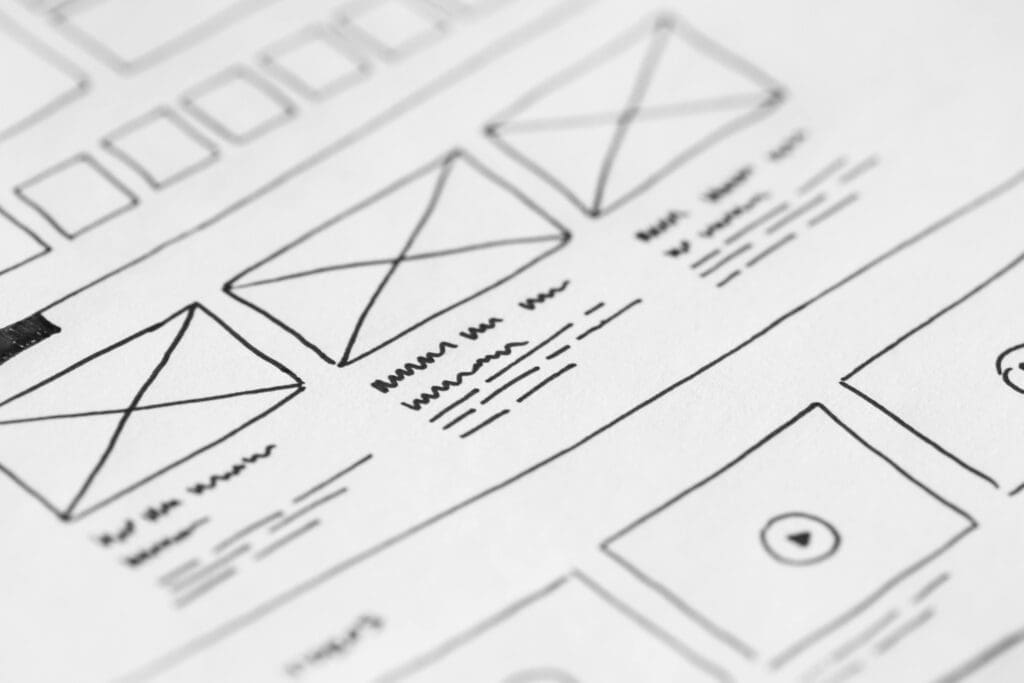
A website that began with a few pages can become difficult to navigate as services grow. New pages get added wherever there is space. Important information becomes buried and similar pages start competing for attention.
We review the page hierarchy before changing the design. Related services belong together, resource guides have a clear purpose and navigation reflects what customers need to find. Useful existing content is retained or consolidated where appropriate.

An enquiry form can collect information while still leaving staff to retype it elsewhere. A store can accept an order but require a separate manual step to process it. These gaps are often operational requirements, not design problems.
We define the task, the required data and the exception cases before selecting a plugin or building an add-on. The solution must work for the people running the business as well as the visitor using the website.
Give every part of the website a clear responsibility.
- 1Understand the offer
- 2Choose a useful route
- 3Complete the next action
A clear brief supports a useful website.
Tell us what customers need to do on your website. We agree the pages, content and functions around that task.
A clear brief gives the design a purpose. It also gives you a practical basis for reviewing the build before it goes live.
Choose the web development work around your next move.
Business website design
Build a clear WordPress home for your services, project evidence and enquiries.
- Map the pages around your services and customers.
- Create consistent layouts for desktop and mobile.
- Place real copy and images into the design.
- Build forms around useful enquiry information.
- Agree the core structure before adding more pages.

Microsites & landing pages
Give one offer a focused destination. Use a microsite when several connected pages are needed.
- Define the campaign, offer and intended audience.
- Keep one primary customer action clear.
- Choose a single page or connected microsite.
- Use relevant proof to support the offer.
- Agree enquiry tracking and campaign handover requirements.

WooCommerce development
Build the store around your catalogue, buying journey and order-handling requirements.
- Organise products, variations and essential buying information.
- Agree payment methods and checkout requirements.
- Define shipping, collection and fulfilment rules.
- Connect order notifications to the right people.
- Test the agreed purchase journeys before launch.

AI & custom development
Human Defined. AI coded. Human Quality Assurance. Build features around a clear business requirement.
- Define the task and its acceptance criteria.
- Choose a custom plugin or AI-enabled function.
- Agree data access, permissions and integration boundaries.
- Check failure cases and unexpected inputs.
- Complete human testing before approving the release.
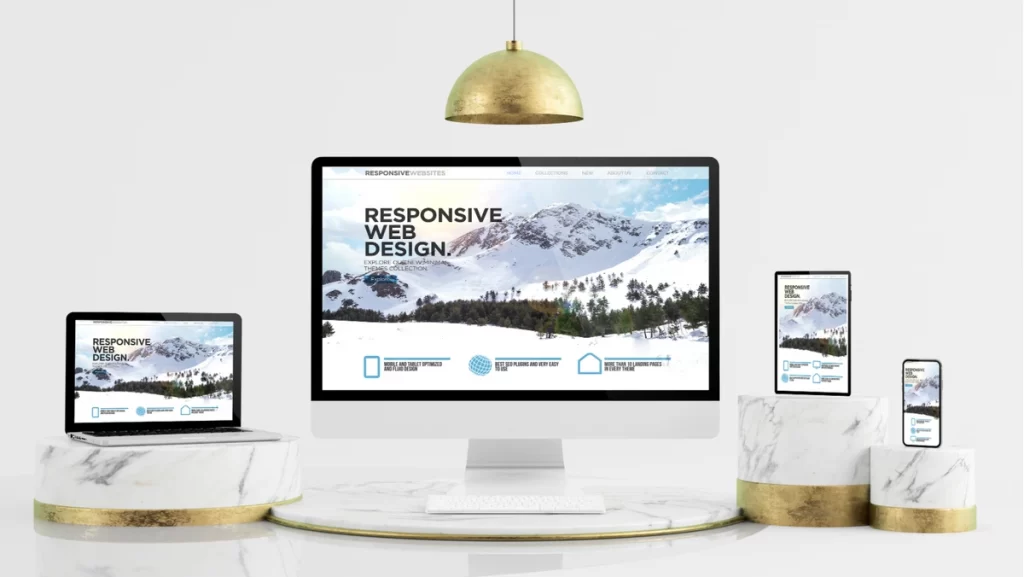
Website Care & Maintenance
Agree who looks after the WordPress site after launch, and what the recurring care covers.
- Set the update responsibilities for WordPress and plugins.
- Agree backup arrangements and recovery responsibilities.
- Check essential forms and customer journeys.
- Record issues and prioritise agreed corrective work.
- Quote new features separately from recurring care.
A brief makes the website easier to quote and approve.
Bring the current URL and describe what must change. The useful detail is the task, not a list of fashionable features. These decisions shape the build scope.
| Decision | What to settle |
|---|---|
| Customer action | Enquiry, booking request, purchase or another defined task. |
| Site structure | Required pages, existing pages to retain and useful resource guides. |
| Content | Who supplies copy, images, product data and approvals. |
| Functions | Forms, payments, integrations and any custom behaviour. |
| Acceptance | The examples and checks that show the agreed work is ready. |
Compare website project starting prices.
Compare the starting scope before choosing a website package. The published prices below cover different types of work.
| Work | Budget guide | Starting scope |
|---|---|---|
| Website design | From $2,950 + GST | Up to five template-based pages, with client-supplied copy and images. |
| Landing page | From $1,800 + GST | One long-form landing page, a primary call to action and a simple contact form. Copy and media supplied by you. |
| Microsite | From $2,800 + GST | Custom design, navigation and a connected microsite structure. Confirm page and content capacity in the proposal. |
| WooCommerce | From $6,200 + GST | Five essential pages and five product pages, with bank transfer, PayID or phone payment. Full payment gateways belong to a higher package. |
| AI & custom development | Quoted to the brief | Defined WordPress or WooCommerce features, integrations and AI-enabled functions, with human testing. |
| Care & maintenance | Scoped recurring Plan | Agreed updates, backup arrangements and functional checks. New development is quoted separately. |
Build Packages are one-off projects. Care Plans cover recurring work. Confirm the current price, capacity, licences, content and launch responsibilities in your proposal.
Review website package inclusions or follow the service links above for the relevant pricing and scope.
Existing projects show different website jobs.

Matt Bell’s Locksmith
A Central Coast locksmith needed an online home for its services. The published project explains the business brief and website work.
Bum Bum Store
An Australian sales presence for a Brazilian product range. The published project describes the eCommerce brief and banking interfaces.

Bondi Colour
A focused online presence connected to the salon’s services and social profiles. Read the published project for its original brief.
From a useful brief to a site you can operate.
Describe the business objective, customer route and required functions. Agree what is included and who supplies each input.
Map the pages and key screens. Review the navigation and the important customer actions before production expands.
Develop on staging and test the agreed journeys. Record feedback against the brief so changes have a clear purpose.
Complete the acceptance review, agree launch responsibilities and explain the editing or operating tasks the business needs.
Web Development & Design on the Central Coast.


Settle the website decisions before development starts.
Resolve the page, function and ongoing-work boundaries before choosing the website project.
Does the website build include ongoing SEO?
The build can include agreed technical and on-page setup. Ongoing search marketing, new content production and campaign work are separate scopes. We identify the required launch setup rather than promise rankings from the website build alone.
Do we need a new website for a custom feature?
Not always. We first review the existing installation and the feature’s requirements. A compatible add-on may be enough. A rebuild is considered when the current structure or software makes the agreed work impractical.
Who supplies the website content?
The proposal names who supplies and approves copy, images, video and product information. Logue Media can scope content work separately. Supplied material still needs checking for accuracy, ownership and suitability for each page.
Where can we see the full project process?
The Website Development Processes guide explains the brief, design reviews, testing, approval and handover in more detail. Each service page also shows the shorter workflow relevant to that type of build.
Explore the next website resource.
 Website Development ProcessesHover, tap or press EnterWebsite Development ProcessesSee how the brief moves through design review, testing, approval and handover. Know where your input is needed before the build starts.Read the project process →
Website Optional ServicesHover, tap or press EnterWebsite Optional ServicesIdentify the content, integrations and support your website needs alongside the build. Confirm who supplies each part and what belongs in a separate scope.Explore supporting services →
 Website Optional ServicesHover, tap or press Enter
Website Pricing PackagesHover, tap or press EnterWebsite Pricing PackagesReview the current website packages before agreeing a proposal. Match the page requirements, functions and responsibilities to the work being quoted.Review website pricing →
 Website Pricing PackagesHover, tap or press Enter
Tell us what the website needs to do.
Share the current URL, the customer action and the work you want to change.
Prefer to talk? 0411 199 997 · info@logue.group